 Korex
KorexKorex es una plataforma de intercambio de cartas de Star Wars Unlimited, pensada con y para la comunidad argentina de jugadores. Más que un proyecto de gaming, es un problema de producto: ordenar cómo la gente publica, encuentra e intercambia cartas, algo que hasta entonces se resolvía a los ponchazos en grupos de WhatsApp.

En el grupo de compraventa volaban fotos para un lado y fotos para otro, la gente claimeaba y algunos se confundían porque esas cartas ya estaban claimeadas.
Así le conté al grupo de testeo por qué armé Korex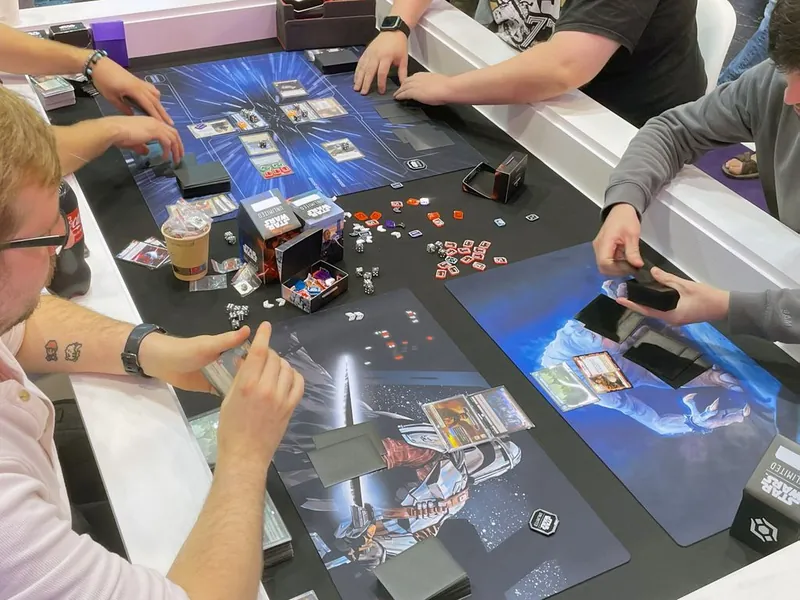
Un catálogo completo y una carpeta pública por vendedor resuelven el «¿quién tiene esto?». Una reserva con link directo a WhatsApp resuelve el cierre, sin sacar a la comunidad del canal que ya usa todos los días.
EN KOREXLa carta, en el catálogo o en las últimas publicaciones.
En la carpeta del vendedor, que la marca como reservada.
Directo entre comprador y vendedor, como siempre.
La necesidad vino de los propios jugadores. Escuché cómo intercambiaban, detecté dónde se trababa el proceso y lo convertí en un producto concreto, siempre con la comunidad como interlocutora directa.
Diseñé, desarrollé y mantuve la plataforma solo, en paralelo a mi trabajo.
Sin comisiones ni pagos de por medio: la plataforma tenía que sostenerse simple.
React y Supabase sobre Vercel, más SheetJS para leer los Excel de los vendedores.
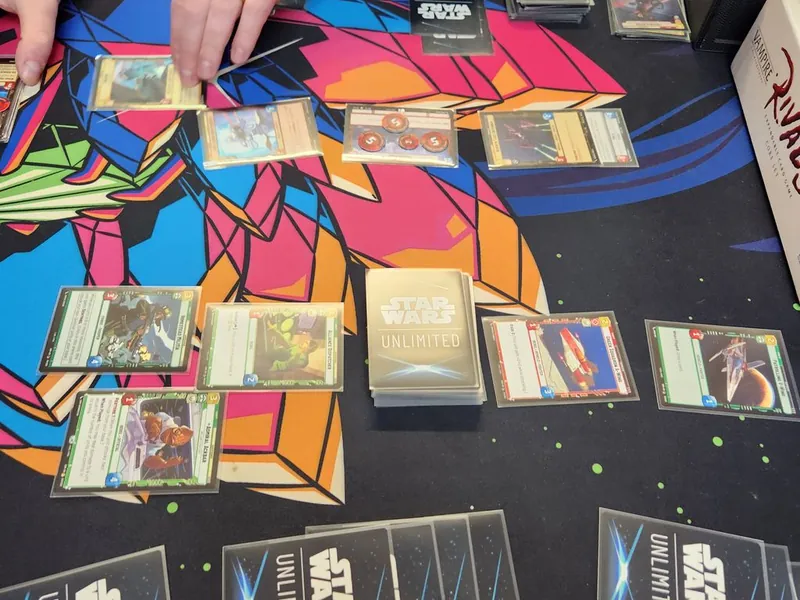
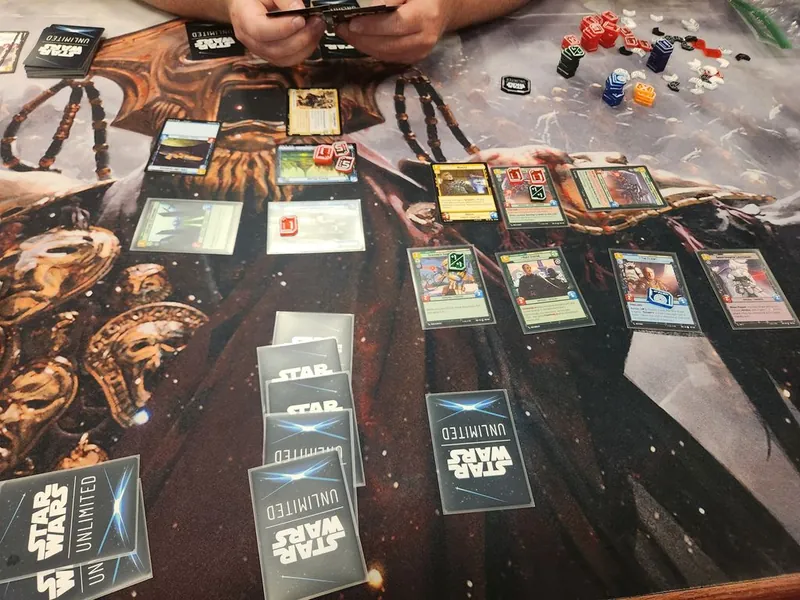
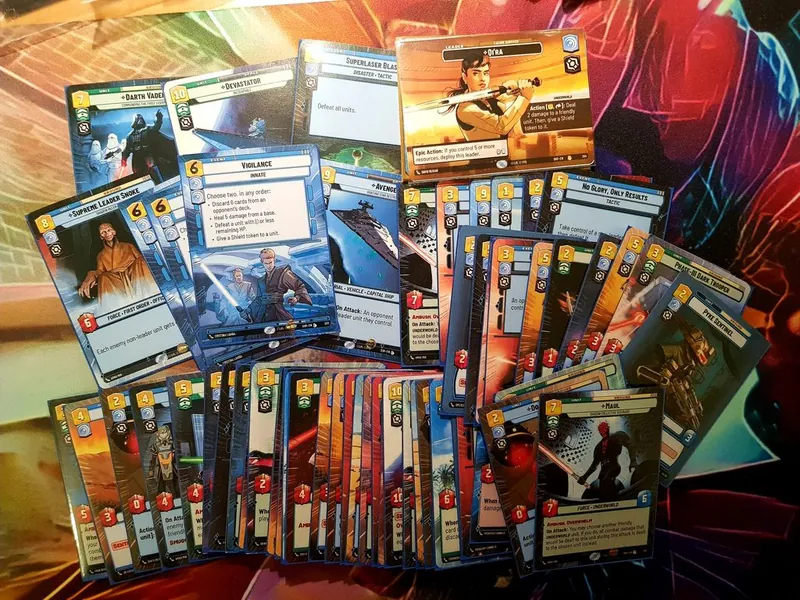
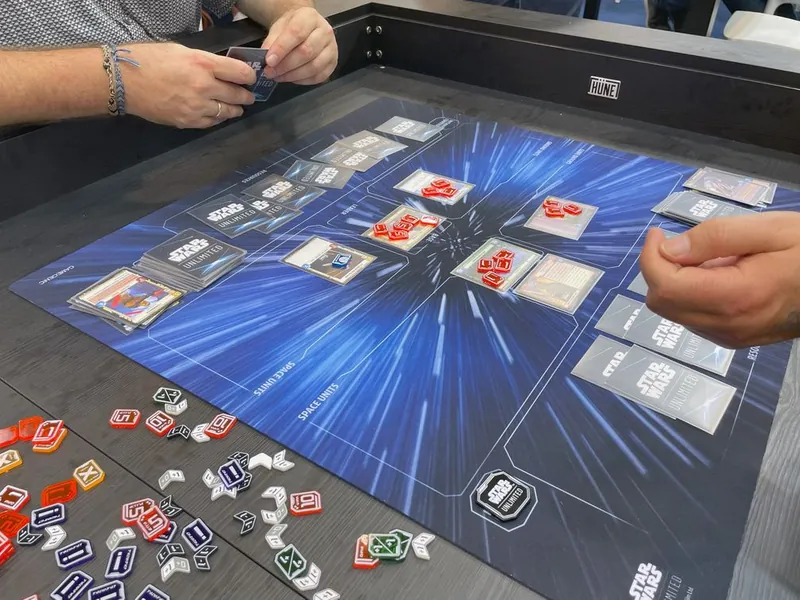
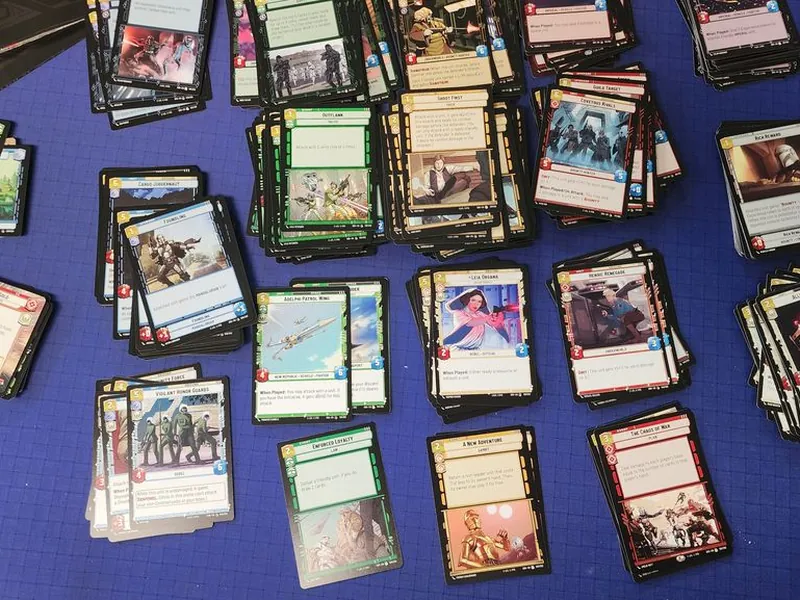
Una muestra de las 9.031 cartas que llegó a tener el catálogo, en sus distintas ediciones.
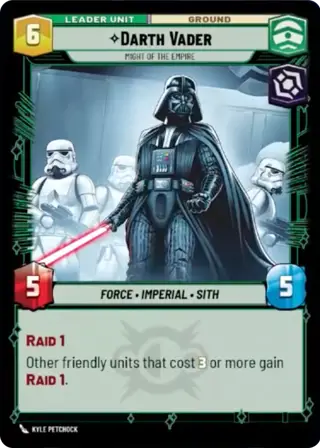

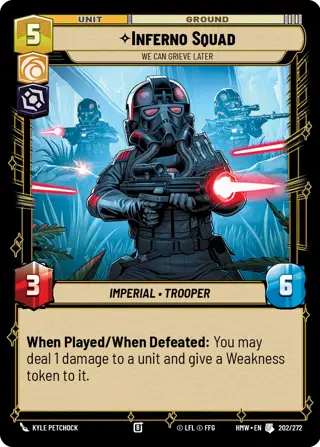
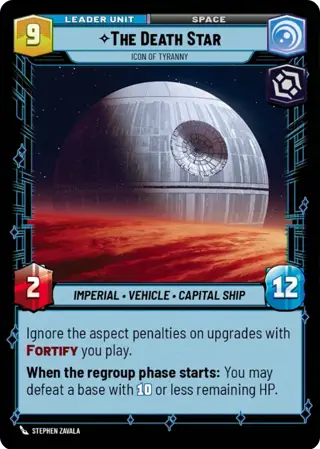
Datos de la base de Korex al cierre de la plataforma.
Capturas reales del sitio mientras estuvo en uso, no mockups.
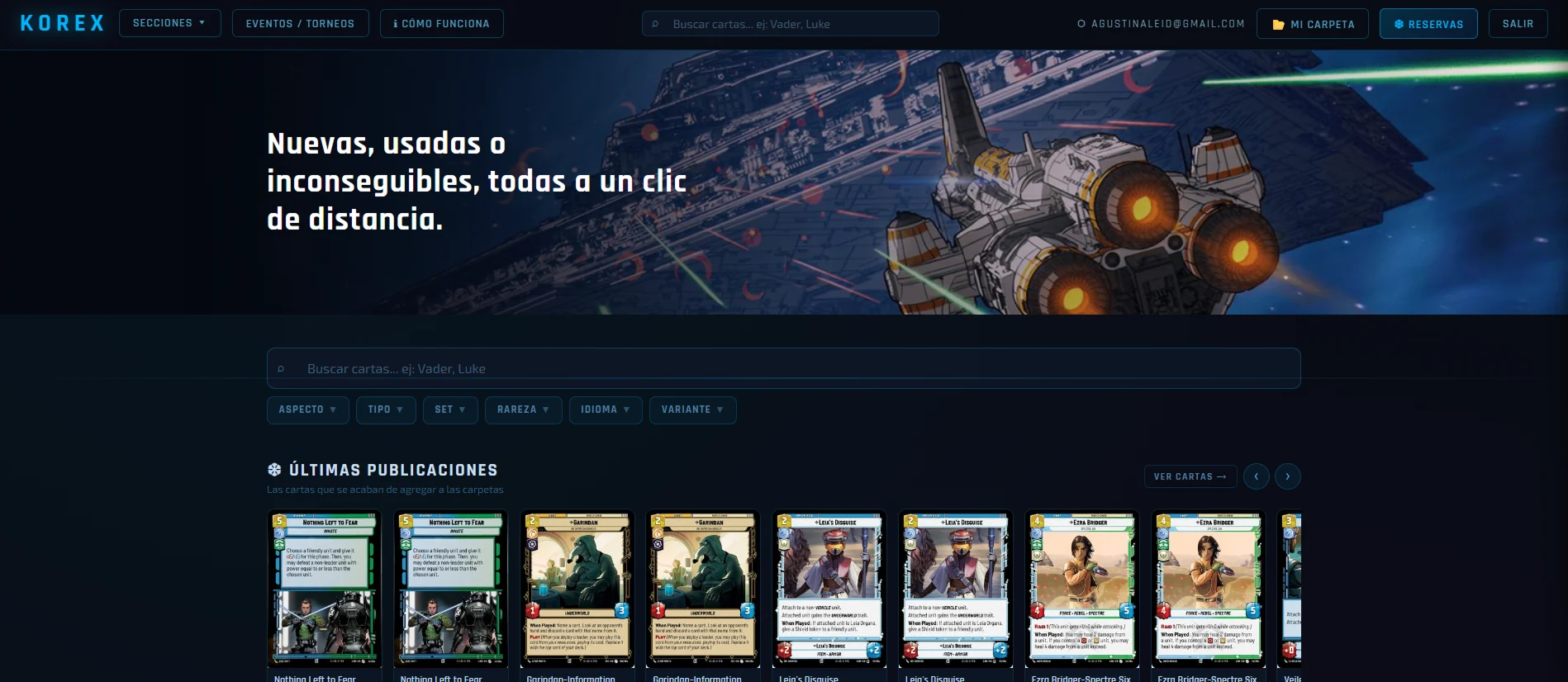
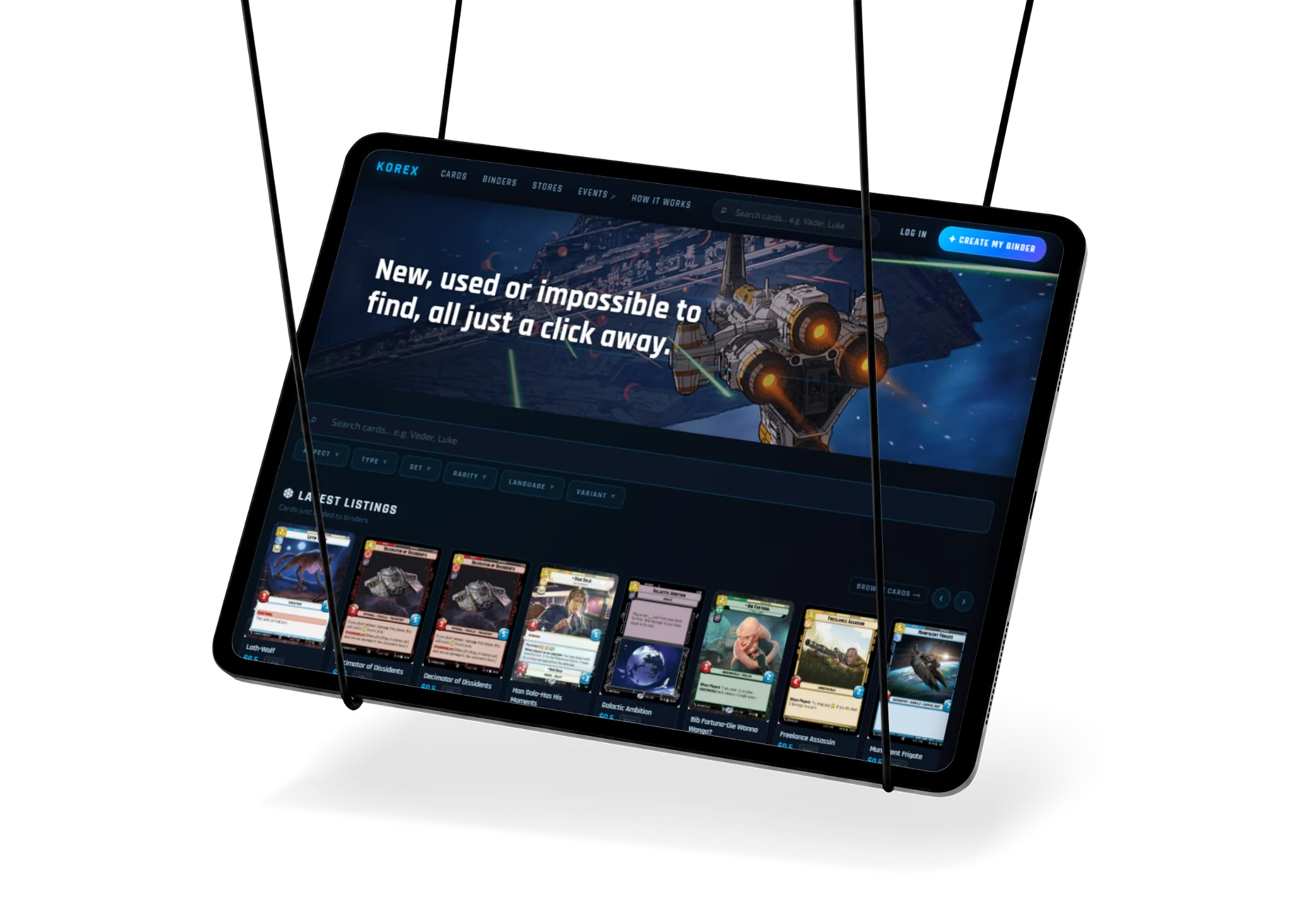
El buscador y los seis filtros del catálogo arriba de todo, y debajo un feed de "Últimas publicaciones" con lo que se acaba de cargar en cualquier carpeta de la comunidad, para descubrir cartas sin tener que buscar nada puntual.
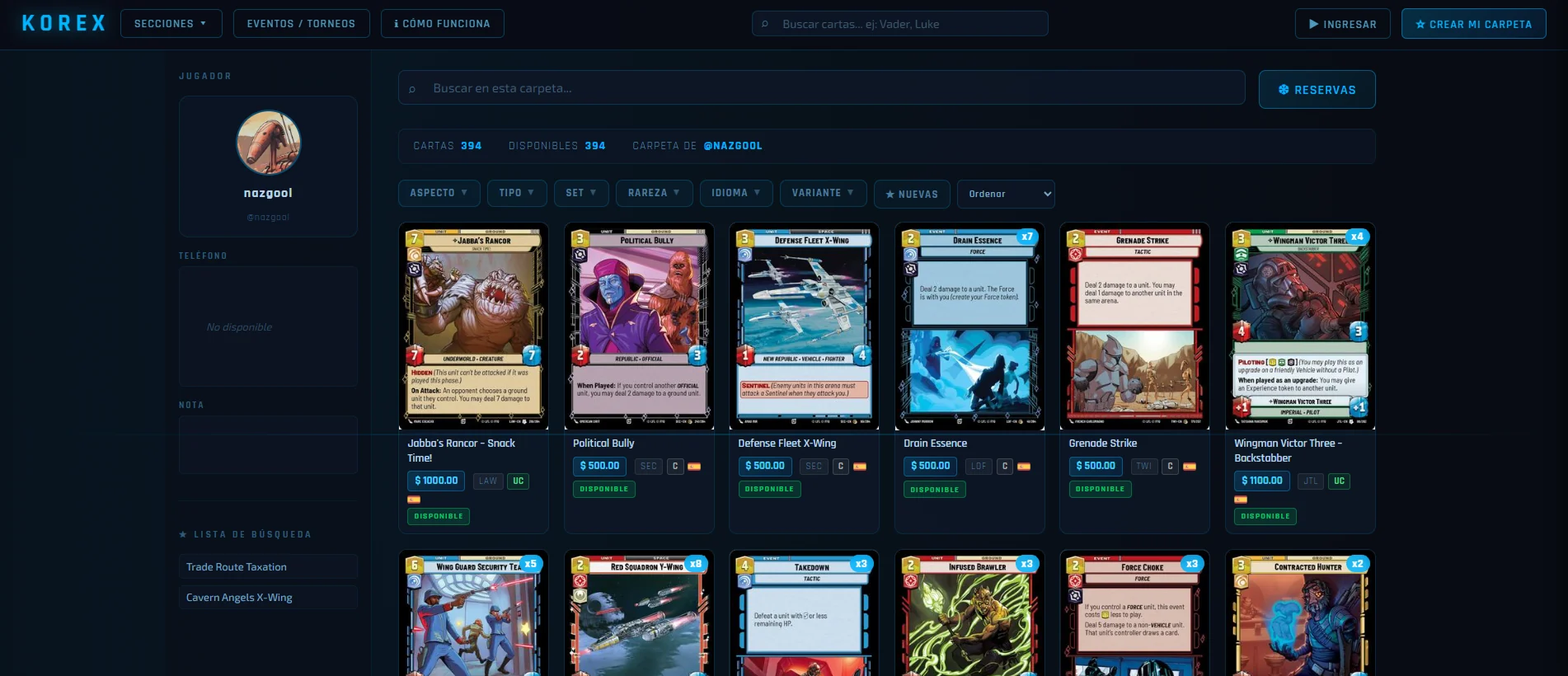
La carpeta real de un vendedor de la comunidad (@nazgool, 394 cartas cargadas). Ahí conviven los seis filtros (aspecto, tipo, set, rareza, idioma, variante), el precio y el estado de cada carta (disponible o reservada), y a la izquierda el perfil del vendedor con su teléfono, una nota libre y su lista de búsqueda.
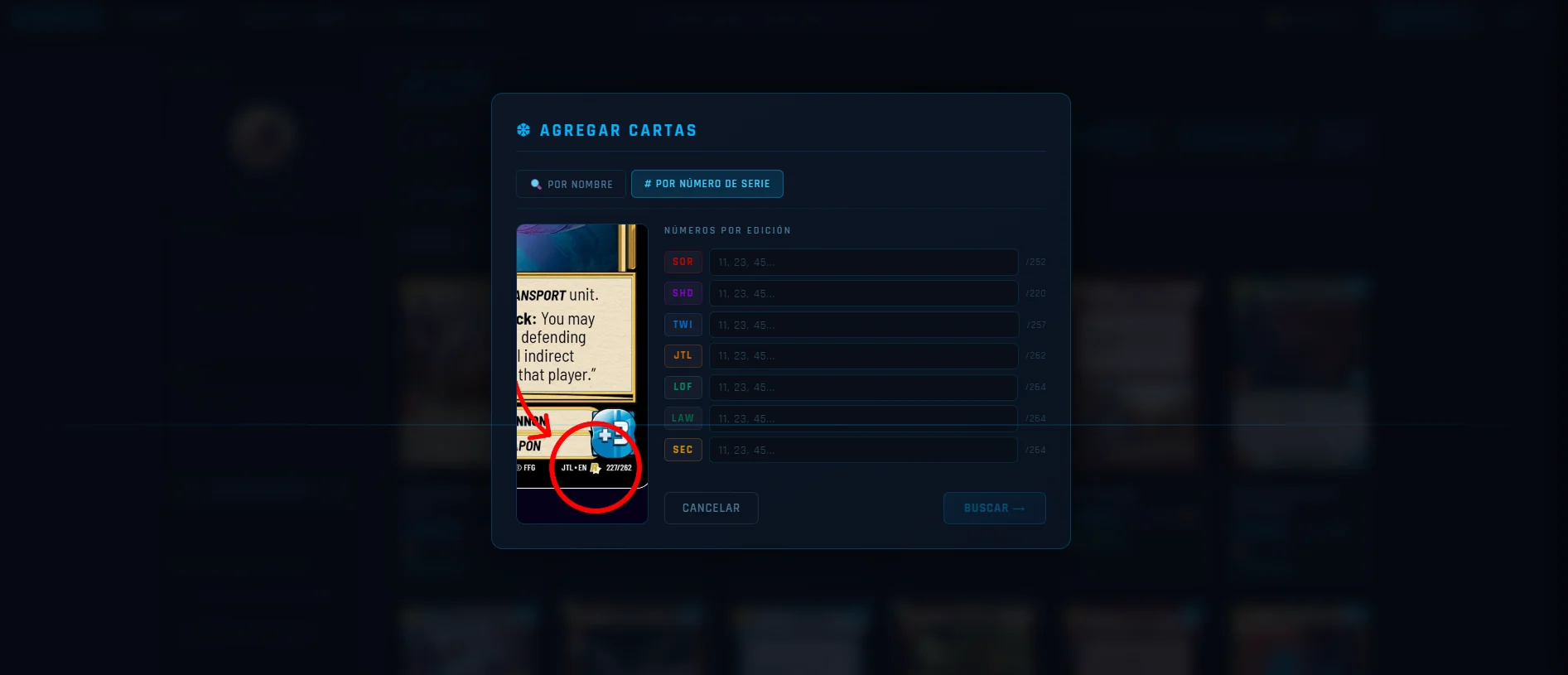
Además de cargar carta por carta o importar un Excel entero, los vendedores podían tipear los números de serie de cada edición para sumar varias cartas de una vez, con una imagen de ayuda que muestra dónde encontrar ese número en la carta.
Tres decisiones que mantuvieron a Korex simple, gratis y fácil de adoptar.
Korex conecta a comprador y vendedor, pero la operación se cierra directamente entre ellos, sin dinero pasando por la plataforma. Esa simpleza es lo que permite que siga siendo gratuita para la comunidad.
Cargar una colección entera carta por carta es la fricción que mata la adopción. El import de Excel va a buscar a los vendedores donde ya tienen sus listas.
La comunidad ya coordinaba todo por WhatsApp. En vez de imponer una mensajería nueva, Korex arma el mensaje y abre la conversación donde la gente ya está.
Como la plataforma nació de la comunidad, el testeo también pasó por ahí. Con Korex ya en producción, armé un grupo de WhatsApp con usuarios reales para que la usaran y reportaran lo que no funcionaba. Durante más de un mes recibí bugs y pedidos de mejora en tiempo real, y casi todos giraban alrededor de un puñado de temas que se repetían una y otra vez.
Mensajes reales del grupo, sin nombres.
El pedido más repetido: distinguir Normal de Foil, Hyperspace y Hyperfoil, mostrar el idioma de cada carta y poder elegir la versión correcta cuando un mismo nombre tiene varias ediciones.
Al principio no había forma de filtrar por aspecto, rareza o set, ni de ordenar por precio. Apenas alguien buscaba algo puntual, lo pedía.
Autocompletar el WhatsApp guardado en el perfil, confirmar cartas de a una o todas juntas, tener un historial de compras y ventas, y que una carta reservada quede marcada sin stock en vez de desaparecer.
Algunas pantallas, como la edición de perfil, no andaban bien desde el celular, que es justamente donde la mayoría de la comunidad usaba la plataforma.
Korex is a Star Wars Unlimited card-trading platform, built with and for Argentina's player community. More than a gaming project, it's a product problem: bringing order to how people list, find and trade cards, something that until then was handled haphazardly in WhatsApp groups.
In the trading group, photos were flying everywhere, people claimed cards, and some got confused because those cards had already been claimed.
How I explained to the testing group why I built KorexA full catalog and a public per-seller folder answer "who has this?". A reservation with a direct WhatsApp link closes the loop, without pulling the community out of the channel it already uses every day.
ON KOREXFor the card, in the catalog or in the latest listings.
In the seller's folder, which marks it as reserved.
Directly between buyer and seller, as always.
The need came from the players themselves. I listened to how they traded, spotted where the process got stuck and turned it into a concrete product, always with the community as a direct counterpart.
I designed, built and maintained the platform on my own, alongside my day job.
No fees and no payments in between: the platform had to stay simple to keep running.
React and Supabase on Vercel, plus SheetJS to read sellers' Excel files.
A sample of the 9,031 cards the catalog grew to hold, across their different editions.
Figures from Korex's database when the platform shut down.
Real screenshots of the site while it was in use, not mockups.
The search bar and the six catalog filters at the top, and below them a "Latest listings" feed with whatever was just added to any folder in the community, to discover cards without searching for anything specific.
A real community seller's folder (@nazgool, 394 cards listed). All six filters live here (aspect, type, set, rarity, language, variant), along with each card's price and status (available or reserved), plus the seller's own profile on the left: phone number, a free-text note, and their search list.
Beyond adding cards one by one or importing a whole Excel sheet, sellers could type in the serial numbers for each edition to add several cards at once, with a helper image showing where to find that number on the card.
Three decisions that kept Korex simple, free and easy to adopt.
Korex connects buyer and seller, but the deal closes directly between them, with no money passing through the platform. That simplicity is what keeps it free for the community.
Adding a whole collection card by card is the friction that kills adoption. The Excel import meets sellers where they already keep their lists.
The community already coordinated everything over WhatsApp. Instead of imposing new messaging, Korex writes the message and opens the conversation where people already are.
Since the platform was born from the community, testing went through it too. With Korex already live, I set up a WhatsApp group with real users to use it and report what wasn't working. For more than a month I received bugs and improvement requests in real time, and nearly all of them circled a handful of themes that kept coming up.
Real messages from the group, translated, names removed.
The most repeated request: distinguishing Normal from Foil, Hyperspace and Hyperfoil, showing each card's language and being able to pick the right version when the same name has several editions.
At first there was no way to filter by aspect, rarity or set, or sort by price. The moment someone searched for something specific, they asked for it.
Auto-filling the WhatsApp number saved on the profile, confirming cards one by one or all at once, having a history of purchases and sales, and a reserved card staying marked as out of stock instead of just disappearing.
Some screens, like profile editing, didn't work well on phones, which is exactly where most of the community used the platform.